

The Role of Choice in Gambling Behavior
The psychology of choice plays a significant role in gambling, particularly in the context of casino games. Players often select games based on a variety of psychological triggers, including personal preferences and emotional states. For instance, some players are drawn to games that offer higher payouts, while others may prefernew betting sites uk games that provide a more immersive experience. This choice impacts their overall enjoyment and satisfaction, which in turn affects their willingness to return to the casino.
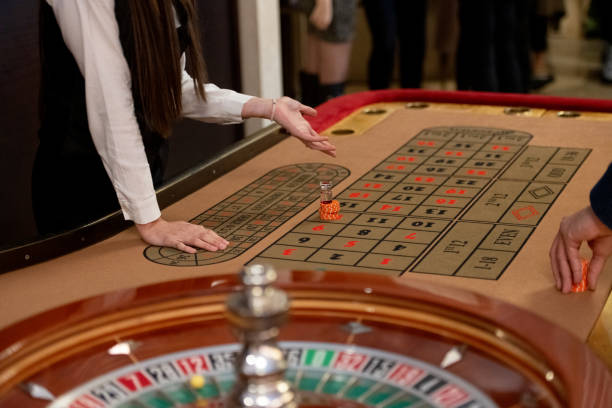
Moreover, the perception of control is a vital aspect of game choice. Many gamblers believe that their choices can influence the outcome, even in games of chance. This illusion of control can lead players to make riskier decisions, ultimately affecting their success rate. Understanding these dynamics can help casino operators curate their offerings and create environments that cater to their players’ psychological needs.
The Influence of Emotions on Game Selection
Emotions play a pivotal role in determining which casino games players choose. A person experiencing excitement or jubilation may opt for fast-paced games like slots or blackjack, while someone feeling more subdued might gravitate towards games that require strategy, such as poker. These emotional states can significantly influence how players perceive risk and reward, shaping their gambling behavior.
Additionally, the emotional highs and lows of gambling can further entrench players in their game choices. Winning streaks can heighten feelings of elation, encouraging further play, while losses can lead to frustration, potentially pushing players towards games they feel may offer a higher chance of recovery. This emotional rollercoaster underscores the importance of psychology in gambling decisions, highlighting the connection between feelings and game preferences.
The Impact of Social Dynamics on Game Choices
Social dynamics are another crucial aspect influencing casino game choices. The presence of friends or the social environment within a casino can significantly impact a player’s game selection. For many, the social aspect of gambling enhances enjoyment and can encourage players to adopt riskier strategies, especially in games that involve multiplayer interactions like poker or craps.
Furthermore, social validation plays a role. Players may choose games that their peers endorse or have had success with, seeking to replicate those experiences. This herd behavior can lead to trends in game popularity within groups, influencing individuals’ choices based on collective experiences rather than personal preference alone. Understanding these social influences can help casinos design communal spaces and gaming options that foster group engagement and appeal.
Cognitive Biases and Their Effects on Game Selection
Cognitive biases significantly affect how players make choices in a casino environment. The gambler’s fallacy, for instance, leads individuals to believe that past outcomes influence future ones. This misconception can sway players toward games they perceive to be ‘due’ for a win, impacting their betting behavior and success rates. Such biases can create patterns in choice, as players rationalize their decisions based on flawed reasoning rather than statistical probabilities.
Additionally, the concept of loss aversion also plays a role. Players often prefer to avoid losses more than they prefer to achieve equivalent gains. This can lead to a preference for games that offer the possibility of smaller, more frequent wins rather than larger, riskier bets. By understanding these cognitive biases, both players and casino operators can gain insights into the mechanics of gambling behavior, ultimately leading to more informed choices and strategies.

The Importance of Awareness in Gambling
Understanding the psychological elements behind game selection is crucial for both players and casino operators. Players can benefit from being aware of the influences on their choices, helping them make more informed decisions and potentially increasing their chances of success. This awareness can also contribute to more responsible gambling practices, ensuring that players engage with games in a healthy manner.
Casino operators, on the other hand, can utilize this knowledge to enhance the gambling experience for their patrons. By creating a supportive environment that acknowledges the psychological components of game choice, casinos can foster a more enjoyable atmosphere. This understanding not only benefits the players but also contributes to the casino’s overall success by promoting sustained patron engagement.